

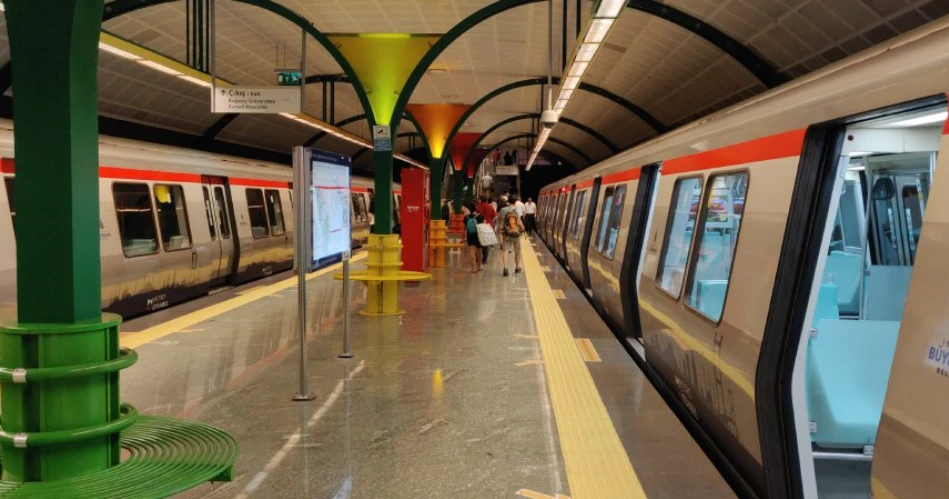
Discover Istanbul with confidence—this guide will help you navigate the city's excellent public transport system with ease.
Istanbul has an extensive public transportation network that makes exploring the historic attractions, lively neighborhoods, and scenic waterfront both convenient and affordable. The city of Istanbul spans two continents and offers a well-connected system of metros, trams, ferries, Marmaray trains, Metrobuses, funiculars, cable cars, and dolmuş services.
Whether you are visiting Hagia Sophia, the Blue Mosque, Galata Tower, Taksim Square, or the Princes' Islands, the public transport system of Istanbul provides easy access and helps you avoid the heavy traffic of Istanbul.
Below is the complete guide on how to use public transport in Istanbul, including all the available public transport options, payment methods, key routes, and more. Keep reading and make your travel hassle-free!
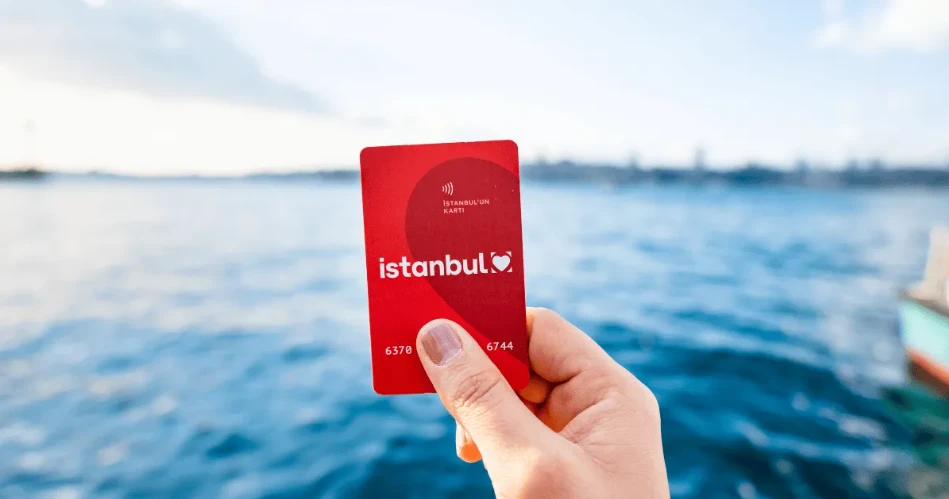
If you want to travel by Istanbul public transport, an Istanbulkart is the most convenient and reasonable way to travel around the city. This rechargeable contactless smart card works on the metro, trams, buses, ferries, funiculars, and Metrobus, while also offering discounted fares and cheaper transfers compared to single tickets.
Moreover, most public transport in Istanbul now also accepts contactless bank cards; however, the Istanbulkart remains the easier option, especially for people who want multiple journeys. You can purchase and top up the card at the airport machines, metro stations, ferry terminals, tram stops, transport offices, and many kiosks in the city.
Metro System of Istanbul
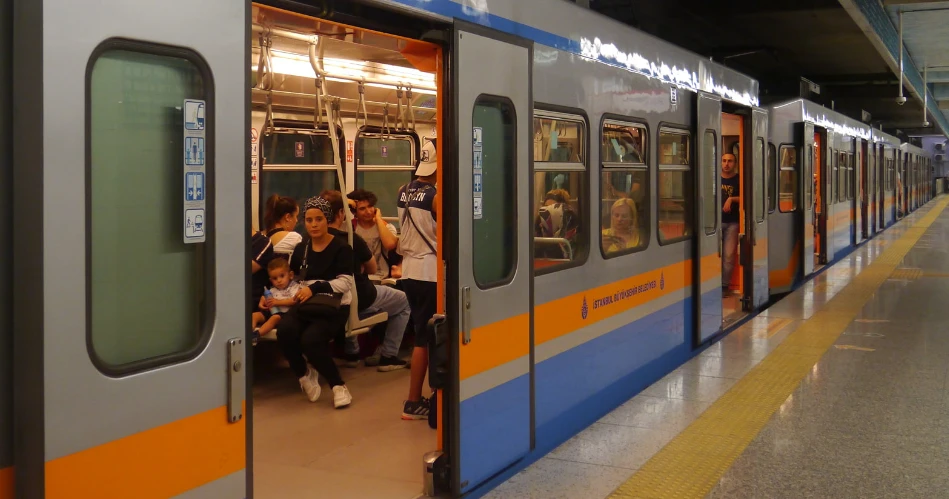
The Istanbul Metro is one of the fastest ways to travel around the city, featuring 11 operational lines and several more under construction. Visitors can use the M2 line, which connects Yenikapı and Vezneciler for the Grand Bazaar and Süleymaniye Mosque, Şişhane for Galata Tower and Istiklal Street, and Taksim Square.
The M11 line connects Gayrettepe with Istanbul Airport, providing easy airport transfer. The metro is clean and reliable and is integrated with trams, buses, ferries, and the Marmaray rail line, making it one of the easiest options in the Istanbul transportation guide to reach major attractions and avoid heavy traffic in the city.
Marmaray is Istanbul’s cross-city commuter railway, linking the European and Asian sides through a rail tunnel beneath the Bosphorus. The route operates between Halkalı and Gebze, with stops at major stations such as Sirkeci, Yenikapı, and Üsküdar. Travelers can use the service to move easily between Istanbul’s historic districts and neighborhoods on the Asian side, including a connection to the M4 Metro at Ayrılık Çeşmesi. The line also links with several metro, tram, intercity, and high-speed train services, making it a practical transportation option for reaching many areas and attractions throughout Istanbul.
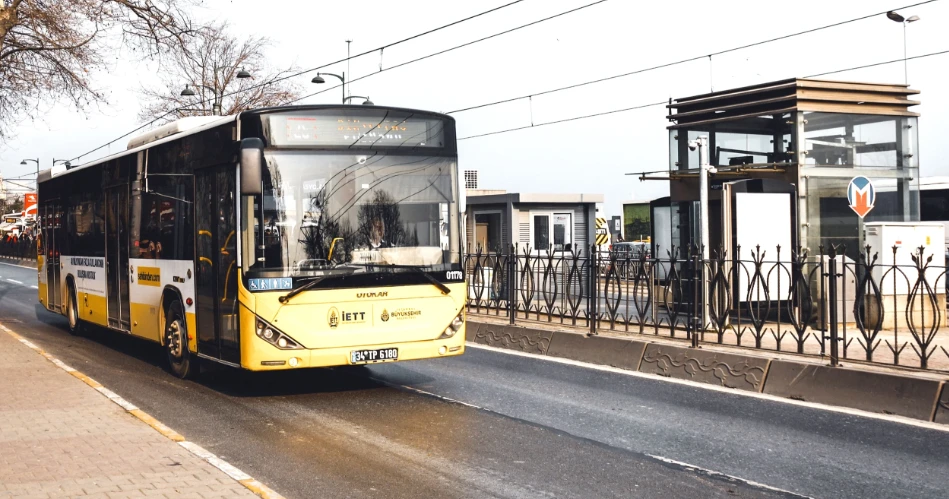
Istanbul features a large bus network that connects neighborhoods and attractions that cannot be reached by the metro, tram, or Marmaray, making it an important part of the public transportation system of the city. Istanbul features over 4,000 buses operating across more than 780 routes and providing convenient access to areas along the Golden Horn, the European shoreline, and the Asian side beyond Üsküdar. Buses are affordable and widely available; however, travel time can vary because of Istanbul’s traffic. You can use navigation applications such as Google Maps or Moovit, as they can provide real-time routes, schedules, and the best connections for visitors.
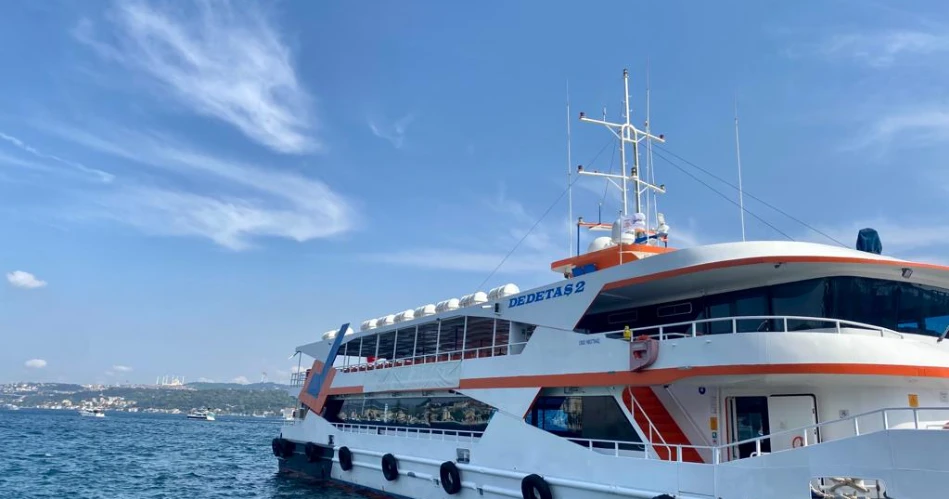
The ferry network of Istanbul is also a major part of the public transportation system, offering a scenic way to travel across Bosphorus. The regular ferry services connect Eminönü, Karaköy, and Beşiktaş on the European side with Üsküdar and Kadıköy on the Asian side, while additional routes serve the Princes' Islands. Ferries feature both open-air decks and indoor seating, allowing passengers to enjoy breathtaking views of Istanbul’s skyline and waterfront landmarks. Istanbulkart is accepted on city-line ferries and by many private operators, making ferry travel a convenient, affordable, and memorable way to explore the city.
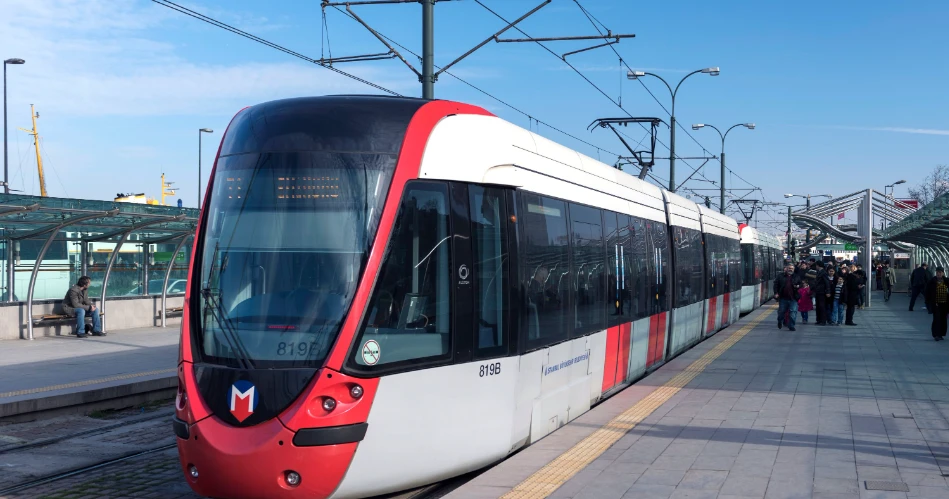
The tram network of Istanbul provides an easy way to reach some of the most popular attractions in the city. The T1 line is the most useful for visitors, running from Kabataş to Bağcılar with stops at Karaköy, Eminönü, Sirkeci, Gülhane, Sultanahmet, Çemberlitaş, Beyazıt Square for the Grand Bazaar, Laleli, and Aksaray. The T5 line follows the Golden Horn and serves neighborhoods such as Fener, Balat, and Eyüp.
Istanbul also operates the historic T2 nostalgic tram along Istiklal Street between Taksim Square and Şişhane, offering a beautiful ride through one of the busiest areas of Istanbul.
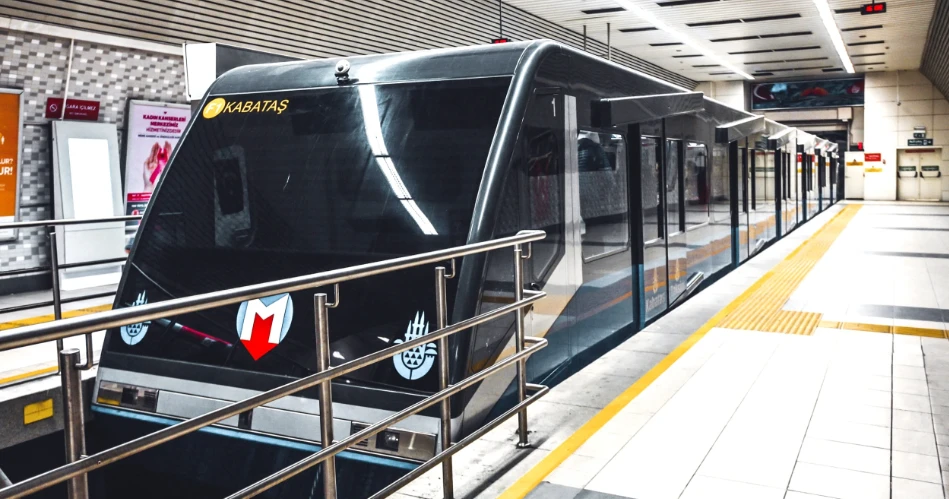
The funicular lines in Istanbul provide quick connections between the waterfront areas and hilltop neighborhoods of the city. The F1 Funicular links Kabataş with Taksim Square in about 2 minutes, connecting the T1 tram, ferry terminal, and the M2 Metro.
The historic F2 Tünel Funicular, which is one of the oldest underground railways in the world, runs between Karaköy and Şişhane, offering easy access to Galata Tower and Istiklal Street.
Both lines are fully integrated with public transportation in Istanbul, and Istanbulkart can be used for seamless transfers between funiculars and other transit services.
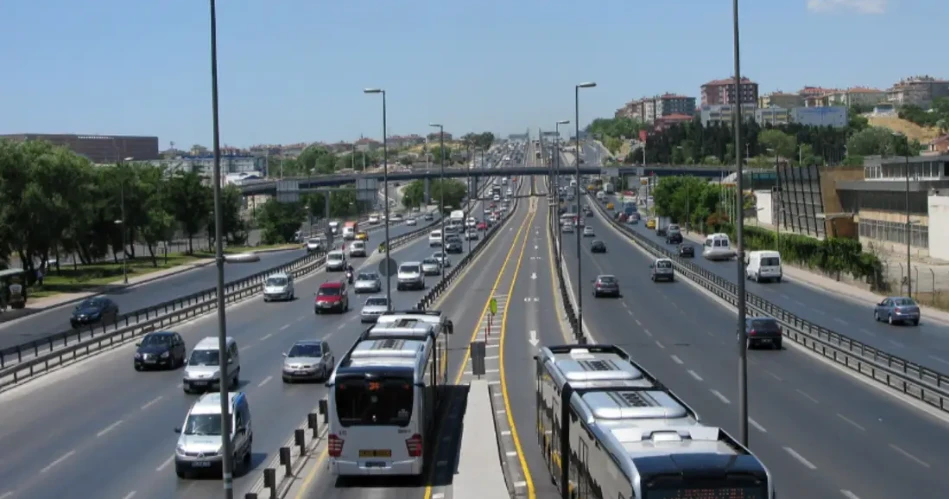
The Metrobus is a high-capacity bus rapid transit (BRT) system that operates on dedicated lanes and provides fast and reliable travel across Istanbul while avoiding traffic. It runs 24 hours a day and connects the European and Asian sides of the city, making it especially useful for longer journeys across the city.
Important stations for travelers include Zincirlikuyu and Mecidiyeköy, which offer easy connections to the M2 Metro, and Söğütlüçeşme on the Asian side near Kadıköy. Istanbulkart is accepted on all Metrobuses, and passengers may receive a small fare refund for shorter trips by tapping their card at the refund machine while exiting.
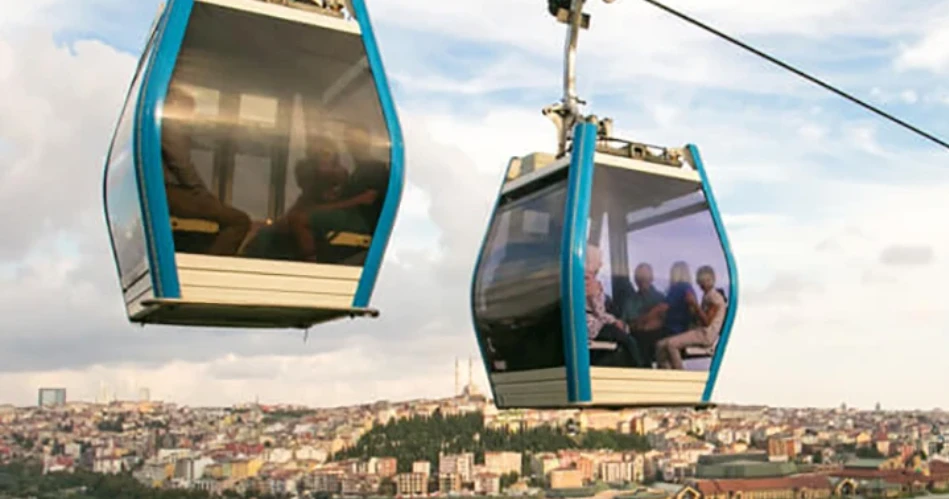
Istanbul operates two cable car lines, offering easy travel to elevated neighborhoods and scenic viewpoints. The TF2 cable car ride is the most popular with visitors and connects Eyüp to Pierre Loti Hill in just a few minutes.
The ride offers beautiful views of the Golden Horn and leads to the famous hilltop café and viewing terrace. The TF1 cable car connects Taşkışla and Maçka, crossing the valley behind Dolmabahçe Palace and providing easy travel between the Maçka area and Taksim. Both lines relate to the public transportation system of Istanbul, and Istanbulkart is accepted for travel.
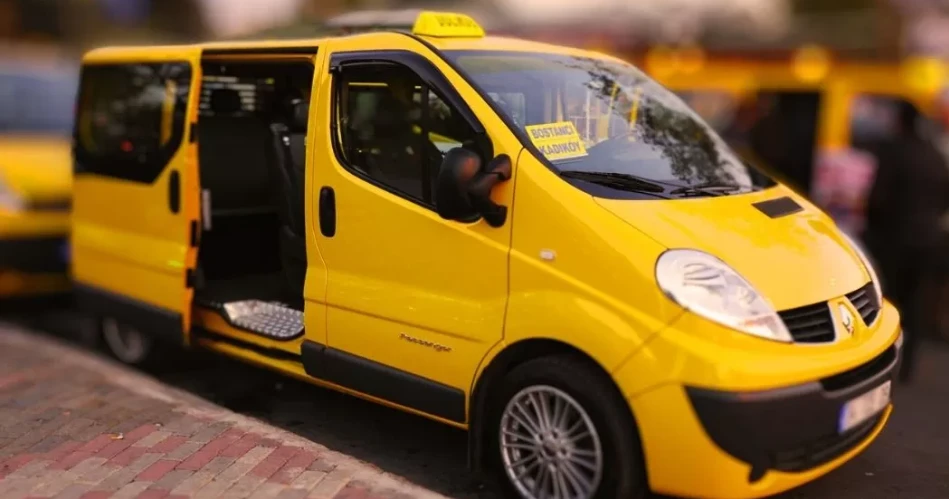
A dolmuş is a shared minibus service that follows set routes throughout Istanbul and offers a budget-friendly option for reaching areas without direct metro or tram connections. Travelers can get on at marked stops or signal the vehicle as it approaches along the route. Common dolmuş services operate between major districts and transport hubs, including Taksim Square, Beşiktaş, Kadıköy, Üsküdar, Şişli, Nişantaşı, Bakırköy, and Eminönü.
Compared to regular buses, dolmuş vehicles do not follow strict timetables and usually depart once enough passengers have boarded. Fares are paid in cash directly to the drivers, and passengers can request a stop anywhere along the route.
Enjoy comfort, convenience, and easy access to Istanbul attractions—reserve a room at Prime Suites Ataturk Airport Hotel.